
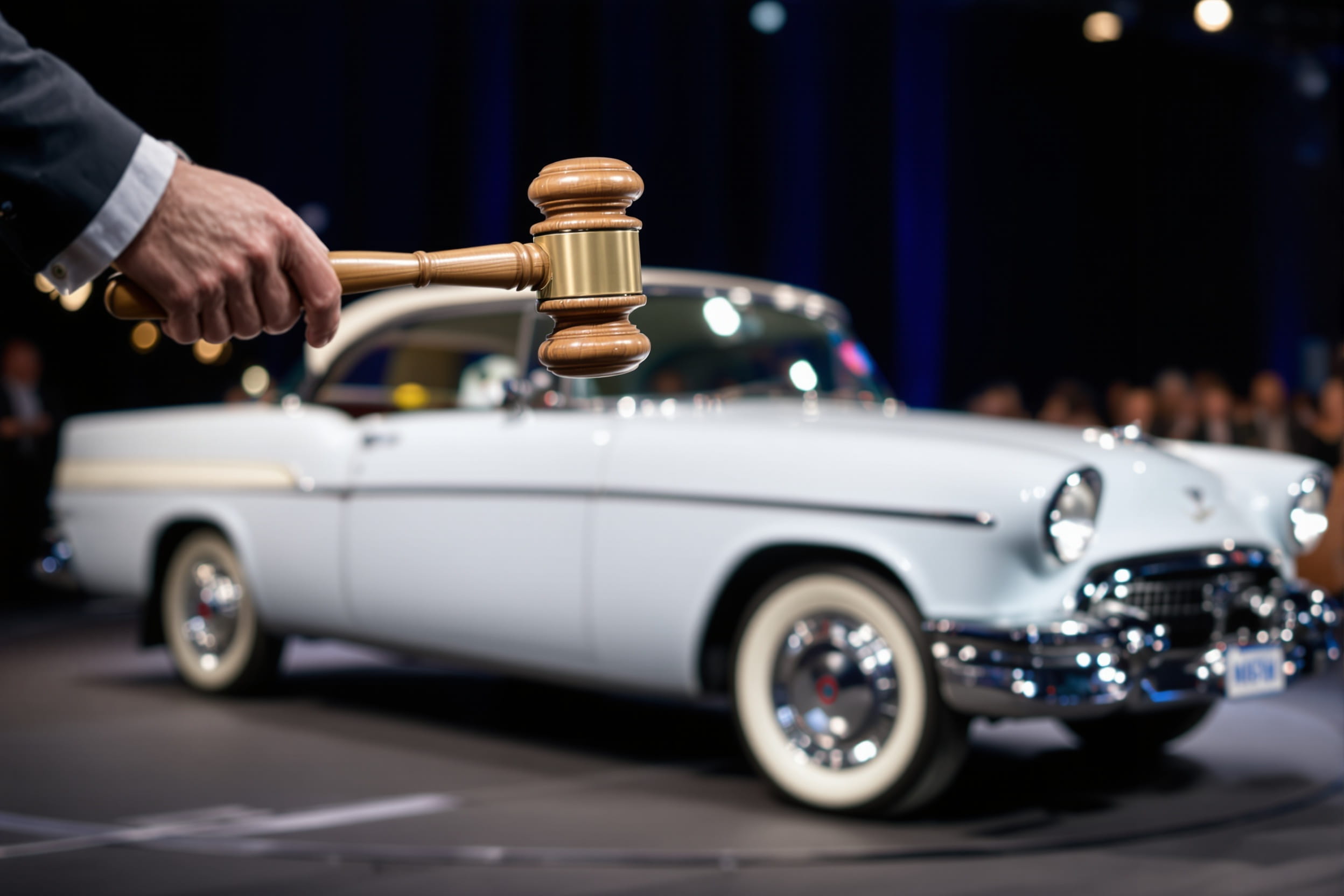
Choosing between a private transaction and a public bidding event can significantly impact the outcome of your vintage vehicle’s sale. If you aim for a personalized experience and higher control, consider initiating a direct negotiation with potential buyers. This method allows for a tailored approach, showcasing the unique features of your automobile while negotiating terms directly without intermediary costs.
On the other hand, public bidding offers exposure and potentially competitive offers from a diverse audience. Auctions often attract enthusiasts and collectors who understand the true value of classic vehicles. Research auction houses carefully, as some are renowned for fetching higher bids, while others may not have the same level of interest in vintage models.
Whichever route you select, ensure that your automobile is presented in optimal condition. Detailed documentation of maintenance records, authenticity, and restoration history will instill confidence in prospective buyers. Use high-quality photographs and compelling descriptions to capture attention, whether for private listings or auction catalogs.
Selling Your Classic Car: Private Sale or Auction
Consider listing vehicles through online platforms or local classifieds for a more personalized approach. Engaging directly with potential buyers allows for negotiation, which can lead to higher pricing. Prepare thorough details, including history and condition reports, to build trust.
Auctions offer quick exposure to a broader audience, potentially increasing competitive bidding. Research reputable auction houses specializing in vintage models–many have dedicated events for these types of vehicles. Ensure to check their fees, as they may impact the final proceeds significantly.
- Evaluate the auction format: live vs. online.
- Set a reserve price to protect against undervaluation.
- Inspect previous auction results for similar models.
Private negotiations enable a tailored approach, appealing to buyers interested in specific models. Use a well-crafted advertisement highlighting unique features to stand out. Additionally, consider local classic car shows to network and attract potential clients.
Ultimately, the choice hinges on personal preference and urgency. If time is crucial, auctions can expedite the process. For those aiming for optimal returns through negotiation, a targeted marketing strategy in private listings may yield better results.
Evaluating the Right Selling Method for Your Classic Car
Research current market trends before selecting an approach. Auction results can provide valuable insights into how similar vehicles have performed recently. By analyzing these figures, you can gauge potential pricing and interest levels.
Consider the level of owner involvement you want. Auctions typically require less direct interaction with buyers, while private transactions demand more engagement. Choose a method that aligns with your comfort level and availability.
Assess how quickly you need to complete the transaction. Auctions have predetermined timelines, often leading to faster resolutions. Conversely, selling through negotiation may take time to find the right match.
Evaluate the audience for your vehicle. Some platforms cater specifically to enthusiasts who appreciate the value of vintage models, while others attract a broader consumer base. Understanding your target demographic will influence the right choice.
Costs associated with each method vary significantly. Auctions may charge fees based on final sale price, while private listings might incur costs for promotional materials. Calculate the potential expenses to determine the most financially viable option.
Gauge your vehicle’s uniqueness. Rare or highly sought-after models may perform better in auction settings, where competition can drive prices higher. If your model has a loyal following, consider leveraging that in your sales strategy.
Factor in the documentation and condition of the vehicle. A well-documented history can enhance buyer confidence, especially in a competitive auction. Maintain records of maintenance and ownership, as they can significantly influence offers.
Lastly, consult with experts or seasoned sellers. Their first-hand experience can provide insights that help refine your strategy. Gather as much knowledge as possible to support your selling decision.