
Prioritize thorough research on the model you’re eyeing. Understand its historical significance, production numbers, and recent sale prices in similar gatherings. This foundation equips you with reliable data to gauge value accurately.
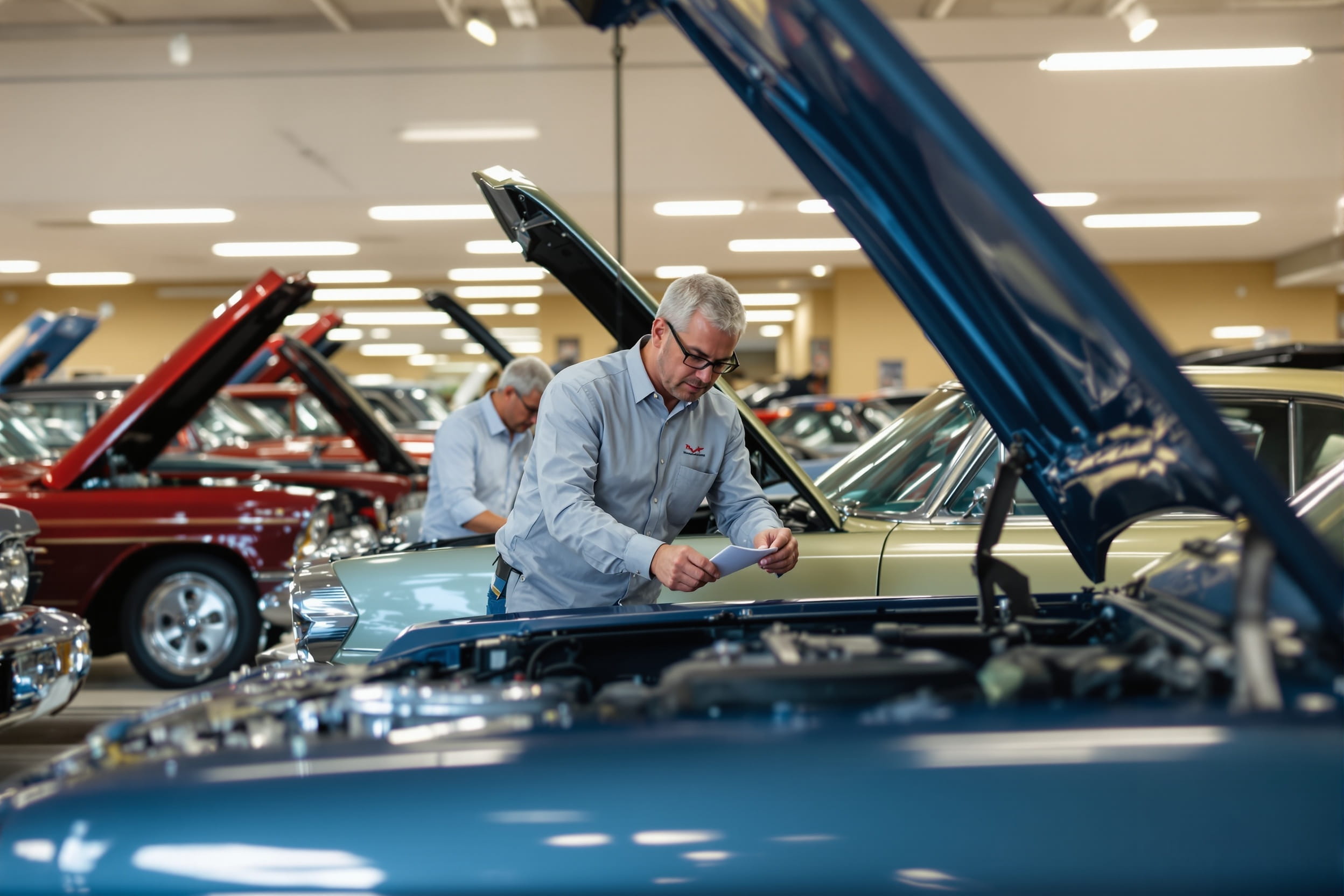
Inspect the vehicle meticulously. Pay attention to condition details such as body integrity, paint quality, and the state of the interior. A thorough examination can reveal potential issues that may not be evident at first glance, thus impacting the final price.
Engage with the seller. Inquire about previous ownership history, maintenance records, and any modifications made. Authenticity is paramount in this category, so ensure that proper documentation backs the claims regarding originality and modifications.
Watch the bidding dynamics closely. Observe the interest among other participants and any patterns in their bids. This vital insight can inform whether the current price reflects genuine demand or if it’s inflated.
Understanding Market Trends and Vehicle Value
Monitor recent sales data to pinpoint shifts in valuation. Various models may experience fluctuations based on collector interest and economic conditions. For example, classic muscle vehicles have surged in demand over the last few years. Keep tabs on auction results to see how prices adjust for specific makes and models.
Analyze demographics of potential buyers. Younger collectors may gravitate toward modern classics or unique builds, while older enthusiasts often prefer traditional models. This awareness helps gauge future trends in pricing and demand for specific vehicles.
Evaluate the influence of restoration quality on market value. A fully restored vehicle, with meticulous attention to originality, often commands a premium. However, modifications can sometimes deter purists. Research market feedback regarding popular upgrades to balance individual preferences with overall appeal.
Consider economic indicators, such as disposable income levels and trends in luxury spending. During economic upturns, individuals are more likely to invest in high-end items, including classic automobiles. Conversely, recessions typically lead to a decline in auction prices.
Engage with enthusiast communities online. Social media groups, forums, and dedicated websites provide insights into what buyers are currently valuing. Direct communication with fellow collectors offers real-world experiences that can’t be accessed through data alone.
Examine historical price trends for target models. Review previous auction results over several years to identify patterns in appreciation or depreciation. This analysis can inform predictions of future value movements.
Stay abreast of regulatory and environmental changes impacting the auto industry. New restrictions on emissions and fuel types may affect desirability or value, especially for older models. Awareness of legislative movements ensures informed decision-making ahead of potential market shifts.
Evaluating Condition and Originality of Collector Cars
Inspect the paint for consistency and check for any signs of overspray, which may indicate repairs. Look for rust, especially in hidden areas such as wheel wells and undercarriages. Original parts, like the engine and transmission, significantly affect value; verify their authenticity with numbers matching documentation. Pay close attention to upholstery and interior fixtures; original materials elevate desirability.
Assess the mechanical state of the vehicle by starting the engine and listening for unusual noises. Evaluate tire wear to determine maintenance history. When examining modifications, ensure they enhance performance or aesthetics without compromising original characteristics. Compile a checklist for each element, ranking on a scale of 1-10 for condition and originality, to standardize your evaluation and help in making informed decisions during bidding.
Strategies for Bidding and Auction Participation
Set a firm budget before participating. This limit should encompass all costs, such as buyer’s premiums and additional fees. Stick to this budget to avoid impulsive decisions that could lead to overspending.
Research thoroughly prior to the event. Familiarize yourself with current market trends and pricing for specific models. Having data on recent sales prices or valuations can provide a solid foundation for your bidding strategy.
Inspect the vehicle in person, if possible. Look for signs of wear or any modifications that might affect its value. Pay attention to the vehicle history report to understand its past ownership and any accidents it might have been involved in.
During the sale, remain calm and composed. Avoid showing overt excitement or eagerness, as this can attract unwanted attention and drive up bids. Practice restraint; if bidding becomes too competitive, assess whether it’s worth pursuing.
Utilize absentee bidding wisely. If you’re unable to attend, consider placing a pre-bid. This allows you to secure a stake in the auction while setting a maximum price you’re willing to pay.
Engage with the auctioneer and the audience strategically. Building rapport can sometimes provide insights into bidding intentions from other participants. If allowed, inquire about specific details regarding the lot to gather more context.
Finally, have a plan for post-auction follow-up. If you acquire a vehicle, ensure you understand the payment and transfer processes. If you don’t win, analyze your performance, noting what worked and what didn’t for future participation.