
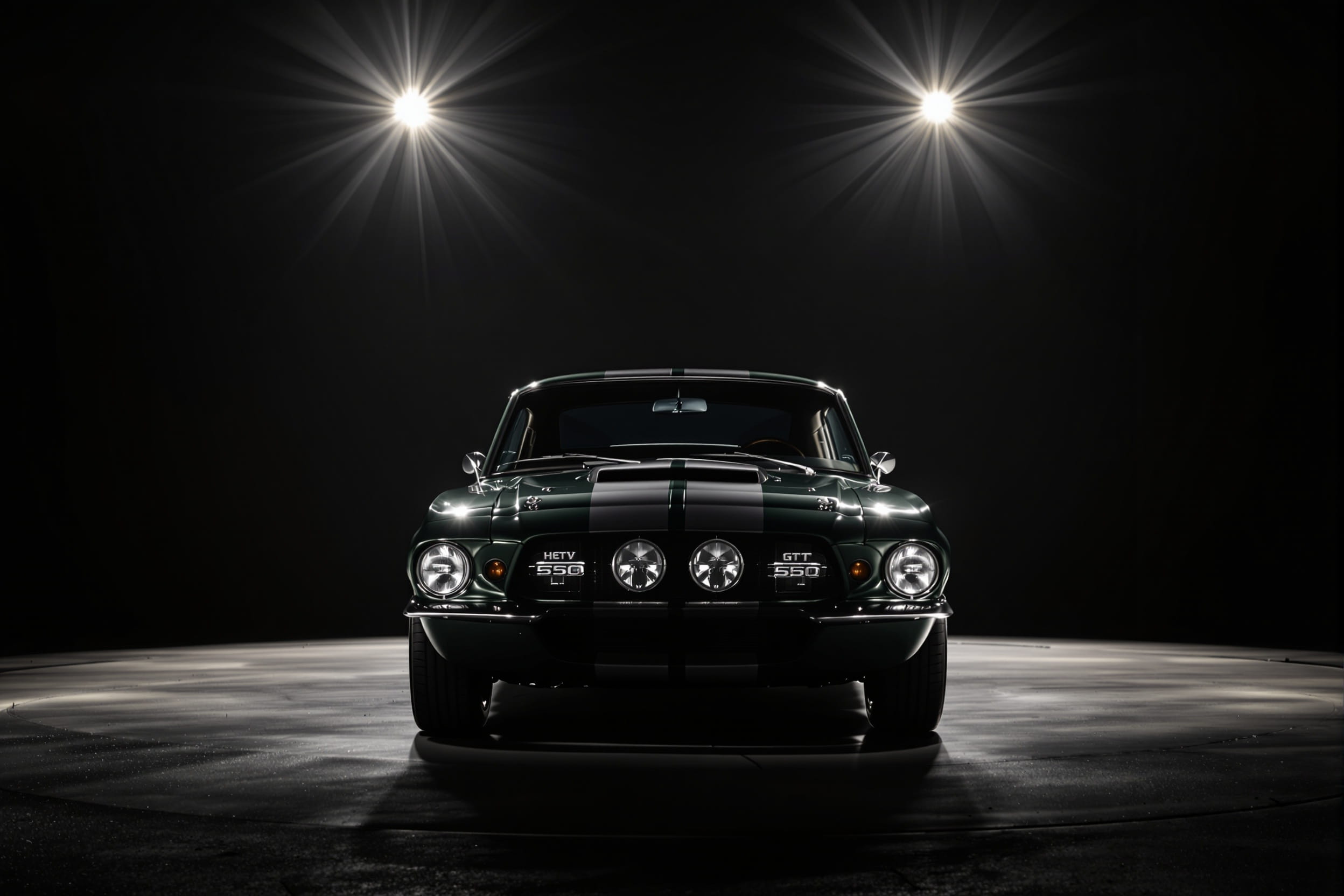
For true automotive enthusiasts and collectors, owning a GT500 from 1967 represents not only a significant financial investment but a piece of automotive history. This model, with its aggressive styling and powerful performance, continues to capture the hearts of car lovers worldwide. Pursue one of these legendary vehicles, and experience unparalleled driving dynamics and an unmistakable presence on the road.
Driven by a desire for speed and power, Carroll Shelby created a unique blend of engineering excellence and aesthetic allure with this Mustang iteration. Equipped with a robust 428-cubic-inch Cobra Jet V8 engine, it delivered up to 355 horsepower, making it a formidable competitor on both the street and the racetrack. Components like a Holley carburetor and dual exhaust further enhanced its performance, reinforcing its status as an iconic muscle car.
Collectors recognize the significance of production numbers, with only about 2,000 units manufactured, adding to its desirability and investment potential. The distinctive stripes and aggressive front end not only signify performance but also resonate with classic American design principles, ensuring that this vehicle remains a highly sought-after gem within the collector community.
Key Features that Defined the 1967 Shelby GT500
Powertrain served as a standout aspect, housing a robust 428 cubic-inch Cobra Jet V8 engine. This powerhouse delivered an impressive 360 horsepower, allowing for exhilarating acceleration and performance on the road.
Exterior design caught attention with its distinct body styling. Featuring a long hood and short rear deck, the GT500 sported aggressive lines complemented by racing stripes, emphasizing its sporty character.
Suspension system enhancements played a crucial role in handling capabilities. Employing heavy-duty springs and shock absorbers, this vehicle provided improved stability during high-speed maneuvers–an essential feature for enthusiasts seeking a thrilling driving experience.
Unique interior elements, such as high-back bucket seats and a wood-rimmed steering wheel, added a luxurious touch. The dashboard featured a distinctive instrument cluster, making it both fashionable and functional for drivers.
Lastly, limited production numbers contributed to its allure. With only about 2,000 units manufactured, this vehicle has become a highly sought-after classic among collectors, solidifying its iconic status in automotive history.
Performance Comparison: 1967 Shelby GT500 vs. Contemporary Muscle Cars
For enthusiasts seeking raw power and driving excitement, examining the capabilities of a classic 1967 monster against modern competitors reveals stark differences and similarities. Performance metrics of interest include horsepower, torque, handling characteristics, and acceleration times.
The original beast produced around 355 horsepower, powered by a 428 cubic inch V8 engine. Modern iterations, like the Ford Mustang GT, boast impressive figures above 450 horsepower thanks to advanced engine technology and optimization. This significant increase highlights the progress made in automotive engineering.
- Torque: The 1967 variant delivered 420 lb-ft, contributing to its thrilling acceleration. Current muscle machines often exceed 400 lb-ft, allowing for comparable real-world performance, particularly in the mid-range power band.
- Acceleration: A classic model typically reaches 0-60 mph in around 6.5 seconds. Modern rivals can effortlessly achieve this in under 4 seconds thanks to sophisticated traction control and improved tire technology.
- Weight Distribution: The older version features a less refined suspension setup, which can affect cornering. In contemporary designs, engineered weight distribution enhances stability during aggressive driving.
Nevertheless, nostalgia plays a crucial role, as many drivers favor classic aesthetics and driving feel offered by the vintage powerhouse. Authenticity and character can overshadow sheer numbers for some performance enthusiasts.
Fuel efficiency is another notable area of advancement. The vintage powerhouse struggles to maintain fuel economy, averaging around 10-12 mpg. Many newer muscle vehicles provide better mileage without sacrificing performance, reflecting advancements in fuel injection and engine technology.
Ultimately, real-world performance comparisons can be subjective. While modern vehicles excel in raw stats, the visceral thrill of driving a classic remains irreplaceable and sacred to many car aficionados. Choosing between them often boils down to personal preference rather than sheer speed or numbers.